“This
is our time!” screams Justin Timberlake at a pertinent moment in The Social Network, a moment meaningful
within the context of the film, but also a moment many viewers latched onto for
perhaps the wrong reasons. Do a Google search of reviews and think pieces and
you’ll find countless words dedicated to how The Social Network is a film of its moment. “It is a moment in time that befits our time in a way that no other film has achieved in a decade,”
exclaimed one
blogger. “A pungent examination of how it changed all of our lives
overnight” is how
another put it, while further resorting to a classic party line about
technology by intoning, “The more connected we are technologically, the more
disconnected we become in terms of actual discourse.” One couldn’t escape 2010
without thinking that no other film besides The
Social Network spoke to “the
way we live now,” without defining what that even meant.
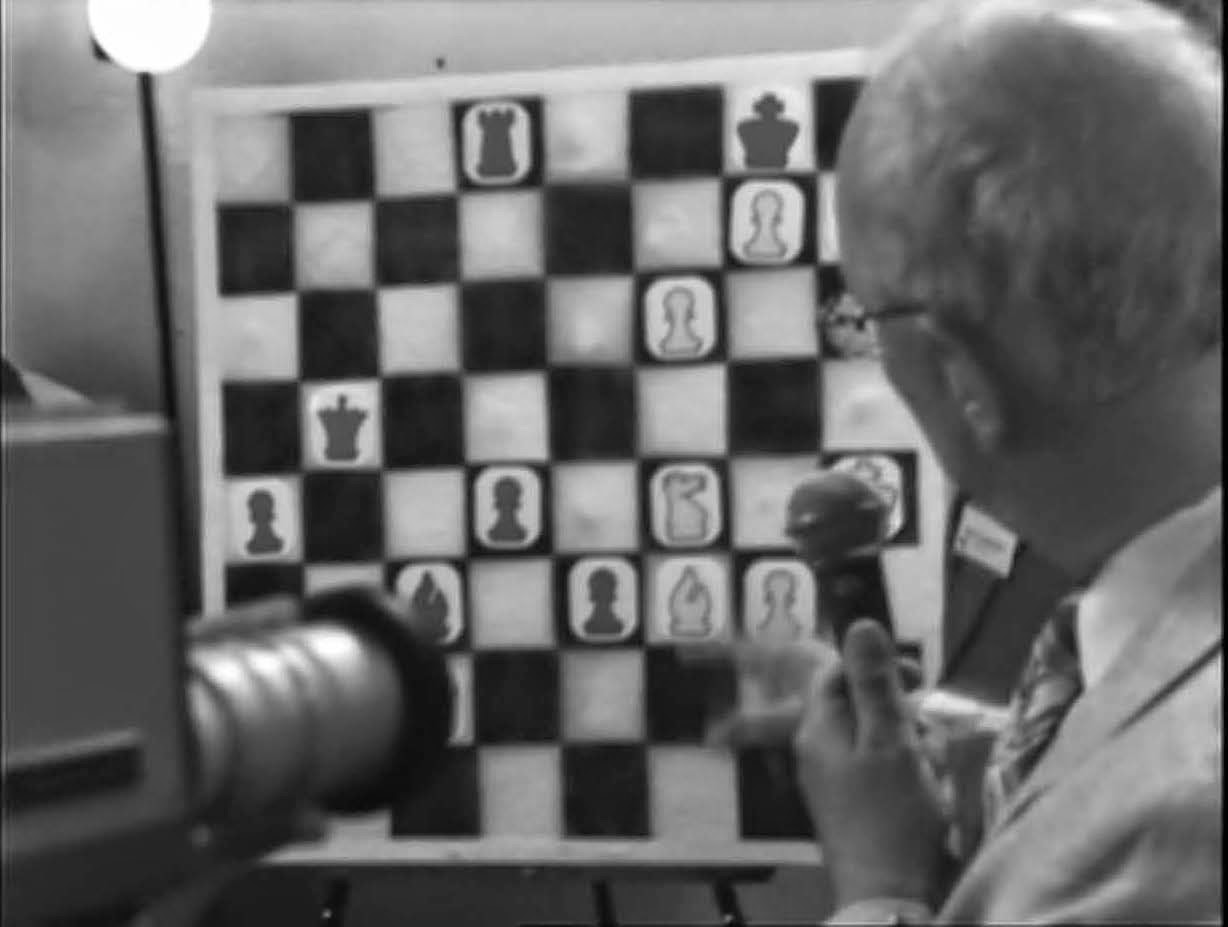
Computer Chess, the newest film from
Andrew Bujalski, approaches “the now” through antiquated technology in a
historical setting. It’s a film so psychologically manic and almost Lynchian
in terms of its logic that on its surface, it might appear impossible to
decode. But it’s all there—the
telling statements of computer vs. man (man as computer, really) and the
changing role of technology in how we
think. You want a movie of the now? Look no further.